
Process layout
Process Overview
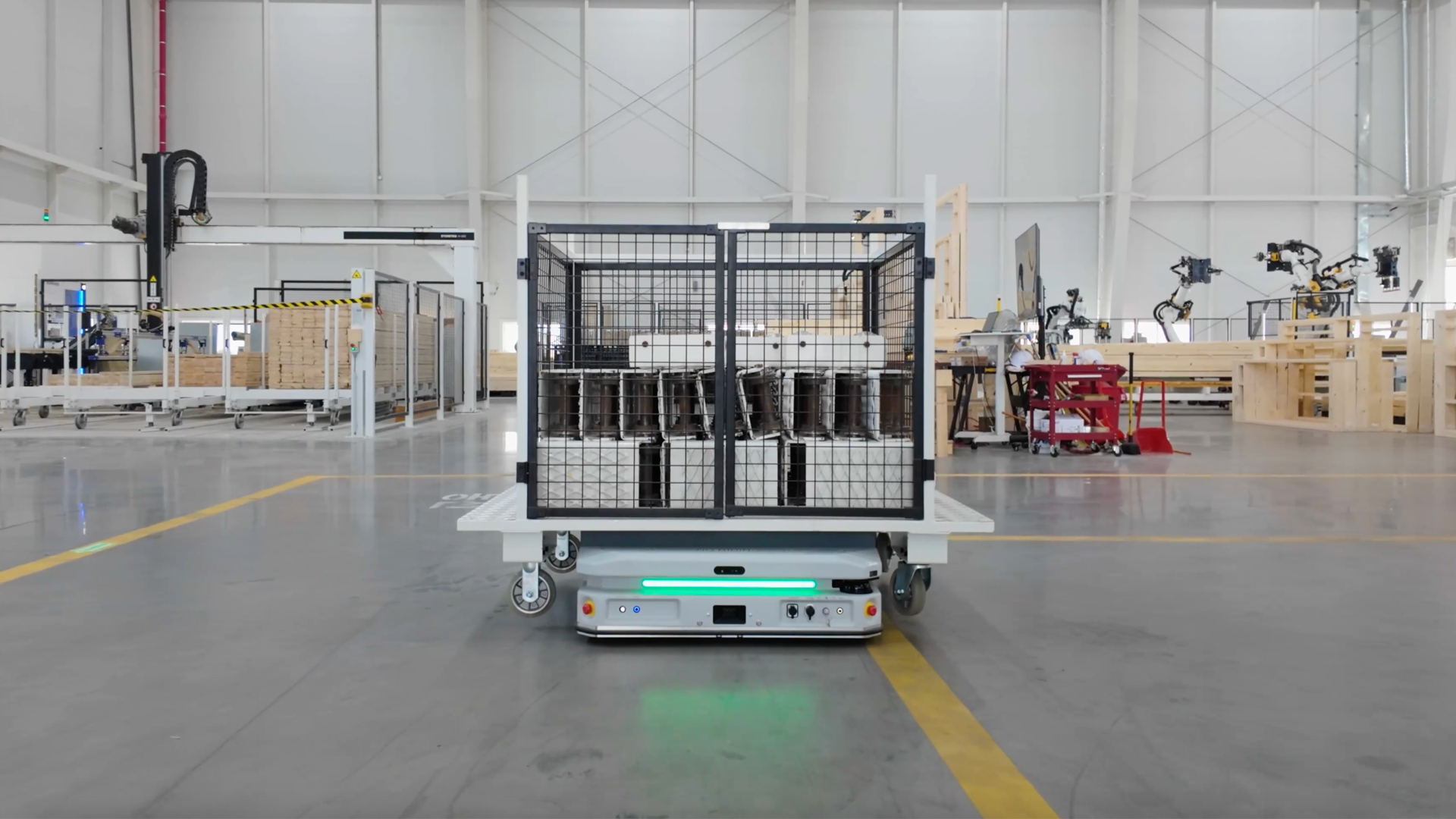
This case study demonstrates the installation of a KUKA KMP 1500P logistics robot at Bigwave Robotics (Marosol) to transport rollers and scrap debris within the space manufacturing facility. The KMP 1500P autonomously handles up to 1 ton of scrap debris over a 1.2 km distance and automatically transports heavy-duty roller modules weighing up to 1 ton. Furthermore, sensors embedded in the KMP 1500P enabled the development of an unmanned system capable of safely transporting heavy-duty materials.
Project Background and Purpose
- Automated unmanned transport using autonomous robots
- Robots perform simple, repetitive tasks
- Safe operation of heavy-duty products using various sensors
- Remote control and monitoring using SOLlink
Components
| Robot | KUKA KMP 1500P *2 |
|---|---|
| Peripherals | 2 automatic robot charging stations; 1 manual robot charging station; 1 hardware PC for KUKA robot server; 1 license for KUKA robot server; 2 SOLlink tablet controllers; 1 SOLlink server; 5 robot transport carts; 10 cart stations |
Workflow
| STEP 1. | Loading of carts in the departure area (loading area) |
|---|---|
| STEP 2. | Work command via SOLlink (tablet) |
| STEP 3. | Loading carts in the departure area using a robot lift |
| STEP 4. | Transporting carts to the destination area |
| STEP 5. | Unloading carts using a robot lift |
| STEP 6. | Setting automatic charging during non-work hours |
| STEP 7. | Charging |
| STEP 8. | Waiting for work after recovering to the preset battery level |
| STEP 9. | When robots cross, give way to the robot with priority and then cross (priority granting criteria: order of work commands) |
Features
Convenience
- Real-time robot monitoring using SOLlink
- Easy robot operation using SOLlink (tablet)
- In-factory Wi-Fi for convenient access without spatial constraints
- Automatic charging function for robot battery maintenance
- Safety using 360-degree lidar and 3D cameras
Safe robot sensor-based transportation
- Equipped with various sensors, including 3D cameras and LiDAR
- Automatic stop upon detection of obstacles or people
- Fall prevention function
Automation of simple tasks
- Improved work efficiency through automated movement
- Maximized work time by utilizing surplus time
Results
| Key Benefits | Automated material handling → Automatically handles over 80 times per day without human intervention, approximately doubling work efficiency.
Safe transport of 1-ton heavy-duty debris → Safety detection and collision avoidance are fully implemented using 3D cameras and LiDAR sensors.
Autonomous driving route optimization → Automatically drives along a set path within a 1.2km section, with priority control when robots intersect to ensure safety.
Improved worker working conditions → Eliminates repetitive heavy-duty transport tasks, reducing worker fatigue and enhancing process focus.
Improved process efficiency and stable operating rates → Automatically recharges and enables continuous unmanned transport, even during nighttime and non-working hours. |
|---|---|
| Client Feedback | Back when heavy debris had to be moved manually, there were many safety concerns and fatigue buildup.
Now, robots are doing the work for us, making it much safer. |
Unauthorized copying or reproduction of any content on Marosol may violate the Unfair Competition Prevention Act and Copyright Act.
Recommended Solution

An order picking system solution for logistics warehouses utilizing AMRs
Process Overview This case study demonstrates an order picking system that optimizes the operation of ten Eugene Gocart 180s using Marosol's remote control system, SOLlink. With the self-developed SOLlink, multiple AMRs are clustered and controlled to maximize logistics system efficiency. The order picking system, integrated with WMS, allows for flexible handling during peak periods without the need for additional workers. Warranty Period 1 Year Performance Year 2023 Project Duration Need for consultation Project Background and Objectives Improved workforce supply and employment stability through the introduction of logistics robots Introducing robots for high-intensity, repetitive tasks reduces the risk of musculoskeletal disorders and industrial accidents among workers Integrating WMS and order picking systems increases work efficiency and reduces error rates

Industrial cleaning robots now cover Incheon Airport. Gausium's SC75 industrial cleaning robot, unveiled at Incheon Airport 🙌
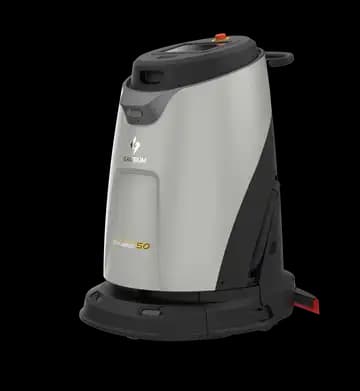
Process Overview Two cleaning robots in Terminal 1 and six in Terminal 2, operating in each area of Incheon Airport, were verified for operational stability. Based on the verification of operational stability, the goal is to expand the introduction of cleaning robots across all areas of Incheon Airport. Warranty Period 1 Year Performance Year 2024 Project Duration 30 days Project Background and Objectives Disadvantages of Previous Robots The robot does not have an automatic water supply and drainage system, so personnel must manually carry and dispose of the water. When full, the robot can weigh hundreds of pounds, making it difficult to manage because of the heavy load. Proposed water supply and drainage options include workstation and SOLlink remote control. The Gausium cleaning robot supports automatic charging and features automatic water supply and drainage through the workstation. If the water supply and drainage functions are unavailable due to insufficient facility coordination, the kitchenette can be set as a maintenance point via SOLlink, allowing the robot to be remotely moved to that location for easier management.

Incheon Airport's Industrial Cleaning Robot Review 😎 The Ultimate Carpet Cleaning Robot Has Arrived!
Process Overview Two cleaning robots in Terminal 1 and six in Terminal 2, operating in each area of Incheon Airport, were verified for operational stability. Based on the verification of operational stability, the goal is to expand the introduction of cleaning robots across all areas of Incheon Airport. Warranty Period 1 Year Performance Year 2024 Project Duration 30 days Project Background and Objectives Inconveniences of existing robots Convenience features such as moving to a maintenance location were not provided, requiring workers to manually drag and dispose of the waste. Convenience was improved by simplifying maintenance procedures, replacing complex cleaning methods. Water supply and drainage scenarios were proposed through the workstation and SOLlink remote control. For the Gausium cleaning robot, automatic charging and scheduled cleaning are possible through an automatic charging station. SOLlink allows users to remotely move the robot to the designated maintenance location, providing convenient management.
Process layout
Process Overview
This case study demonstrates the installation of a KUKA KMP 1500P logistics robot at Bigwave Robotics (Marosol) to transport rollers and scrap debris within the space manufacturing facility. The KMP 1500P autonomously handles up to 1 ton of scrap debris over a 1.2 km distance and automatically transports heavy-duty roller modules weighing up to 1 ton. Furthermore, sensors embedded in the KMP 1500P enabled the development of an unmanned system capable of safely transporting heavy-duty materials.
Project Background and Purpose
- Automated unmanned transport using autonomous robots
- Robots perform simple, repetitive tasks
- Safe operation of heavy-duty products using various sensors
- Remote control and monitoring using SOLlink
Components
| Robot | KUKA KMP 1500P *2 |
|---|---|
| Peripherals | 2 automatic robot charging stations; 1 manual robot charging station; 1 hardware PC for KUKA robot server; 1 license for KUKA robot server; 2 SOLlink tablet controllers; 1 SOLlink server; 5 robot transport carts; 10 cart stations |
Workflow
| STEP 1. | Loading of carts in the departure area (loading area) |
|---|---|
| STEP 2. | Work command via SOLlink (tablet) |
| STEP 3. | Loading carts in the departure area using a robot lift |
| STEP 4. | Transporting carts to the destination area |
| STEP 5. | Unloading carts using a robot lift |
| STEP 6. | Setting automatic charging during non-work hours |
| STEP 7. | Charging |
| STEP 8. | Waiting for work after recovering to the preset battery level |
| STEP 9. | When robots cross, give way to the robot with priority and then cross (priority granting criteria: order of work commands) |
Features
Convenience
- Real-time robot monitoring using SOLlink
- Easy robot operation using SOLlink (tablet)
- In-factory Wi-Fi for convenient access without spatial constraints
- Automatic charging function for robot battery maintenance
- Safety using 360-degree lidar and 3D cameras
Safe robot sensor-based transportation
- Equipped with various sensors, including 3D cameras and LiDAR
- Automatic stop upon detection of obstacles or people
- Fall prevention function
Automation of simple tasks
- Improved work efficiency through automated movement
- Maximized work time by utilizing surplus time
Results
| Key Benefits | Automated material handling → Automatically handles over 80 times per day without human intervention, approximately doubling work efficiency.
Safe transport of 1-ton heavy-duty debris → Safety detection and collision avoidance are fully implemented using 3D cameras and LiDAR sensors.
Autonomous driving route optimization → Automatically drives along a set path within a 1.2km section, with priority control when robots intersect to ensure safety.
Improved worker working conditions → Eliminates repetitive heavy-duty transport tasks, reducing worker fatigue and enhancing process focus.
Improved process efficiency and stable operating rates → Automatically recharges and enables continuous unmanned transport, even during nighttime and non-working hours. |
|---|---|
| Client Feedback | Back when heavy debris had to be moved manually, there were many safety concerns and fatigue buildup.
Now, robots are doing the work for us, making it much safer. |
Unauthorized copying or reproduction of any content on Marosol may violate the Unfair Competition Prevention Act and Copyright Act.
Recommended Solution
An order picking system solution for logistics warehouses utilizing AMRs
Process Overview This case study demonstrates an order picking system that optimizes the operation of ten Eugene Gocart 180s using Marosol's remote control system, SOLlink. With the self-developed SOLlink, multiple AMRs are clustered and controlled to maximize logistics system efficiency. The order picking system, integrated with WMS, allows for flexible handling during peak periods without the need for additional workers. Warranty Period 1 Year Performance Year 2023 Project Duration Need for consultation Project Background and Objectives Improved workforce supply and employment stability through the introduction of logistics robots Introducing robots for high-intensity, repetitive tasks reduces the risk of musculoskeletal disorders and industrial accidents among workers Integrating WMS and order picking systems increases work efficiency and reduces error rates
Industrial cleaning robots now cover Incheon Airport. Gausium's SC75 industrial cleaning robot, unveiled at Incheon Airport 🙌
Process Overview Two cleaning robots in Terminal 1 and six in Terminal 2, operating in each area of Incheon Airport, were verified for operational stability. Based on the verification of operational stability, the goal is to expand the introduction of cleaning robots across all areas of Incheon Airport. Warranty Period 1 Year Performance Year 2024 Project Duration 30 days Project Background and Objectives Disadvantages of Previous Robots The robot does not have an automatic water supply and drainage system, so personnel must manually carry and dispose of the water. When full, the robot can weigh hundreds of pounds, making it difficult to manage because of the heavy load. Proposed water supply and drainage options include workstation and SOLlink remote control. The Gausium cleaning robot supports automatic charging and features automatic water supply and drainage through the workstation. If the water supply and drainage functions are unavailable due to insufficient facility coordination, the kitchenette can be set as a maintenance point via SOLlink, allowing the robot to be remotely moved to that location for easier management.
Incheon Airport's Industrial Cleaning Robot Review 😎 The Ultimate Carpet Cleaning Robot Has Arrived!
Process Overview Two cleaning robots in Terminal 1 and six in Terminal 2, operating in each area of Incheon Airport, were verified for operational stability. Based on the verification of operational stability, the goal is to expand the introduction of cleaning robots across all areas of Incheon Airport. Warranty Period 1 Year Performance Year 2024 Project Duration 30 days Project Background and Objectives Inconveniences of existing robots Convenience features such as moving to a maintenance location were not provided, requiring workers to manually drag and dispose of the waste. Convenience was improved by simplifying maintenance procedures, replacing complex cleaning methods. Water supply and drainage scenarios were proposed through the workstation and SOLlink remote control. For the Gausium cleaning robot, automatic charging and scheduled cleaning are possible through an automatic charging station. SOLlink allows users to remotely move the robot to the designated maintenance location, providing convenient management.