
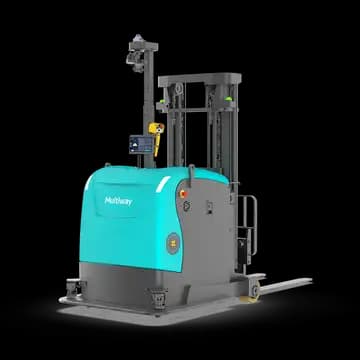
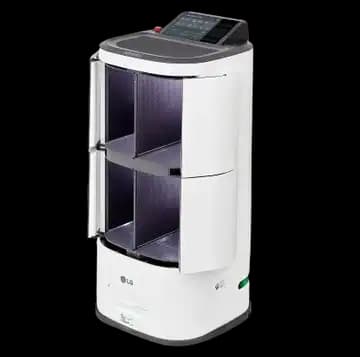
Curious about the robots used?
Process layout
상세설명
Components
| Robot | 구성요소 로봇 |
|---|---|
| Peripherals | 주변기기 |
Workflow
| STEP 1. | 작업순서 |
|---|
Features
특장점
Results
| Key Benefits | 주요지표 |
|---|---|
| Client Feedback | 후기 |
Unauthorized copying or reproduction of any content on Marosol may violate the Unfair Competition Prevention Act and Copyright Act.
Recommended Solution

Incheon Airport's Industrial Cleaning Robot Review 😎 The Ultimate Carpet Cleaning Robot Has Arrived!
Process Overview Two cleaning robots in Terminal 1 and six in Terminal 2, operating in each area of Incheon Airport, were verified for operational stability. Based on the verification of operational stability, the goal is to expand the introduction of cleaning robots across all areas of Incheon Airport. Warranty Period 1 Year Performance Year 2024 Project Duration 30 days Project Background and Objectives Inconveniences of existing robots Convenience features such as moving to a maintenance location were not provided, requiring workers to manually drag and dispose of the waste. Convenience was improved by simplifying maintenance procedures, replacing complex cleaning methods. Water supply and drainage scenarios were proposed through the workstation and SOLlink remote control. For the Gausium cleaning robot, automatic charging and scheduled cleaning are possible through an automatic charging station. SOLlink allows users to remotely move the robot to the designated maintenance location, providing convenient management.

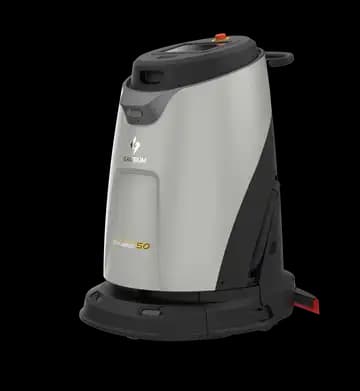
The SC50 industrial cleaning robot, which even cleans cutting oil, is the reason why Dio Implant chose the Gausium cleaning robot.👏
Process Overview This is a case study of Bigwave Robotics (Marosol) installing the SC50 cleaning robot for factory cleaning management. Using the SC50, they implemented an in-house automated cleaning system, leveraging its outstanding cleaning performance and scheduling capabilities to operate an unmanned, automated cleaning system. Warranty Period 1 year Performance Year 2023 Project Duration 1 week Project Background and Objectives Real-time cleaning in challenging environments, such as oil and cutting fluids Cleaning schedule planning considering the worker's working hours Unmanned cleaning using autonomous driving, cameras, and sensors Cleaning robots that clean at set times Manual cleaning mode for cleaning only the areas needed Increased cleaning efficiency through division of labor with cleaning personnel Remote control using SOLlink

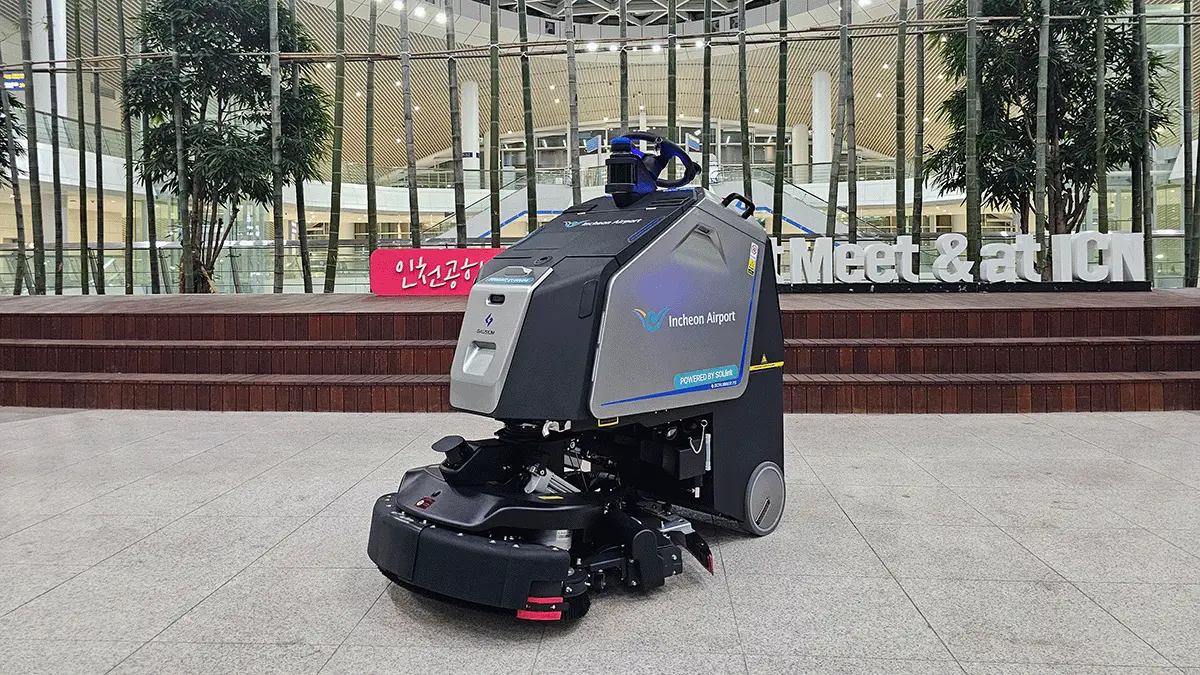
Industrial cleaning robots now cover Incheon Airport. Gausium's SC75 industrial cleaning robot, unveiled at Incheon Airport 🙌
Process Overview Two cleaning robots in Terminal 1 and six in Terminal 2, operating in each area of Incheon Airport, were verified for operational stability. Based on the verification of operational stability, the goal is to expand the introduction of cleaning robots across all areas of Incheon Airport. Warranty Period 1 Year Performance Year 2024 Project Duration 30 days Project Background and Objectives Disadvantages of Previous Robots The robot does not have an automatic water supply and drainage system, so personnel must manually carry and dispose of the water. When full, the robot can weigh hundreds of pounds, making it difficult to manage because of the heavy load. Proposed water supply and drainage options include workstation and SOLlink remote control. The Gausium cleaning robot supports automatic charging and features automatic water supply and drainage through the workstation. If the water supply and drainage functions are unavailable due to insufficient facility coordination, the kitchenette can be set as a maintenance point via SOLlink, allowing the robot to be remotely moved to that location for easier management.
Process layout
상세설명
Components
| Robot | 구성요소 로봇 |
|---|---|
| Peripherals | 주변기기 |
Workflow
| STEP 1. | 작업순서 |
|---|
Features
특장점
Results
| Key Benefits | 주요지표 |
|---|---|
| Client Feedback | 후기 |
Unauthorized copying or reproduction of any content on Marosol may violate the Unfair Competition Prevention Act and Copyright Act.
Curious about the robots used?
Recommended Solution
Incheon Airport's Industrial Cleaning Robot Review 😎 The Ultimate Carpet Cleaning Robot Has Arrived!
Process Overview Two cleaning robots in Terminal 1 and six in Terminal 2, operating in each area of Incheon Airport, were verified for operational stability. Based on the verification of operational stability, the goal is to expand the introduction of cleaning robots across all areas of Incheon Airport. Warranty Period 1 Year Performance Year 2024 Project Duration 30 days Project Background and Objectives Inconveniences of existing robots Convenience features such as moving to a maintenance location were not provided, requiring workers to manually drag and dispose of the waste. Convenience was improved by simplifying maintenance procedures, replacing complex cleaning methods. Water supply and drainage scenarios were proposed through the workstation and SOLlink remote control. For the Gausium cleaning robot, automatic charging and scheduled cleaning are possible through an automatic charging station. SOLlink allows users to remotely move the robot to the designated maintenance location, providing convenient management.
The SC50 industrial cleaning robot, which even cleans cutting oil, is the reason why Dio Implant chose the Gausium cleaning robot.👏
Process Overview This is a case study of Bigwave Robotics (Marosol) installing the SC50 cleaning robot for factory cleaning management. Using the SC50, they implemented an in-house automated cleaning system, leveraging its outstanding cleaning performance and scheduling capabilities to operate an unmanned, automated cleaning system. Warranty Period 1 year Performance Year 2023 Project Duration 1 week Project Background and Objectives Real-time cleaning in challenging environments, such as oil and cutting fluids Cleaning schedule planning considering the worker's working hours Unmanned cleaning using autonomous driving, cameras, and sensors Cleaning robots that clean at set times Manual cleaning mode for cleaning only the areas needed Increased cleaning efficiency through division of labor with cleaning personnel Remote control using SOLlink
Industrial cleaning robots now cover Incheon Airport. Gausium's SC75 industrial cleaning robot, unveiled at Incheon Airport 🙌
Process Overview Two cleaning robots in Terminal 1 and six in Terminal 2, operating in each area of Incheon Airport, were verified for operational stability. Based on the verification of operational stability, the goal is to expand the introduction of cleaning robots across all areas of Incheon Airport. Warranty Period 1 Year Performance Year 2024 Project Duration 30 days Project Background and Objectives Disadvantages of Previous Robots The robot does not have an automatic water supply and drainage system, so personnel must manually carry and dispose of the water. When full, the robot can weigh hundreds of pounds, making it difficult to manage because of the heavy load. Proposed water supply and drainage options include workstation and SOLlink remote control. The Gausium cleaning robot supports automatic charging and features automatic water supply and drainage through the workstation. If the water supply and drainage functions are unavailable due to insufficient facility coordination, the kitchenette can be set as a maintenance point via SOLlink, allowing the robot to be remotely moved to that location for easier management.